
Coating and tablet binding
Locate the granulation or compression failure before screening a tablet binder.
Define the dosage form and whether the process uses wet granulation, dry granulation or direct compression. Identify if the concern is granule strength, flow, tablet integrity or process consistency, then set the comparison method. HPMC and HPC can enter separate product-name reviews; pharmaceutical product identity, commercial grade, quality and market scope, and performance in the customer formulation remain unverified.

Choose your next step
What would you like to do next?
Choose the task closest to your needs. Your product or application details continue with you and can be changed before sending.
Find a candidate
Describe the product you make and the result you need.
Open this route →Compare an existing material
Share the current reference and the points that must match.
Open this route →Review documents
Identify the product, intended use and destination market.
Open this route →Discuss samples and supply
Share quantity, destination and timing after defining the trial.
Open this route →BUILD THE APPLICATION BRIEF
Describe what happens in your process.
Start with the finished product, the stage where the issue appears and the result you need. You do not need to know the chemistry to begin.
Process context
Wet or dry granulation, binder addition and compression
- Finished product or dosage form: Granulation and tablet binding
- Process sequence and conditions: Wet or dry granulation, binder addition and compression
- Product names entering initial review: HPMC / HPC
- State the destination market, trial quantity and expected commercial volume.
The problem to describe
Is the issue granule strength, tablet integrity or processing consistency?
- Observed problem: Is the issue granule strength, tablet integrity or processing consistency?
- Identify the current material, formulation and supplier grade when available.
- State the target result in measurable or observable terms.
- Record when the issue first appears and how it is checked.
Trial and acceptance criteria
Record the current formulation, process settings and comparison sample. Agree the test method and acceptance criteria before comparing candidates. No JNP application trial result is published on this page yet.
- Use the current formulation as the control and change one candidate variable at a time.
- Possible comparison points: granule size distribution and flow, compression behavior, tablet strength or friability, and disintegration or dissolution where relevant
- Hold raw materials, addition order, equipment settings and test timing constant.
- Agree the method, unit, time point and pass/fail limit before testing.
Documents and application evidence
Request product-name TDS and SDS, selected-grade specifications and sample-batch CoA. Intended use and destination-market requirements require separate review. Application reports, process photographs and customer-approved cases will be added only after verification.
- Product name: applicable TDS and SDS / MSDS.
- Commercial grade: current specification and stated test methods.
- Sample or production batch: COA tied to the identified reference.
- Use and market: certificate and regulatory scope reviewed separately.
CANDIDATE PRODUCT-NAME DIRECTIONS
Review a candidate against your actual process.
A product name does not establish the exact grade, dosage or suitability. Compare the intended function, specification and test conditions before choosing a sample.
HPMC
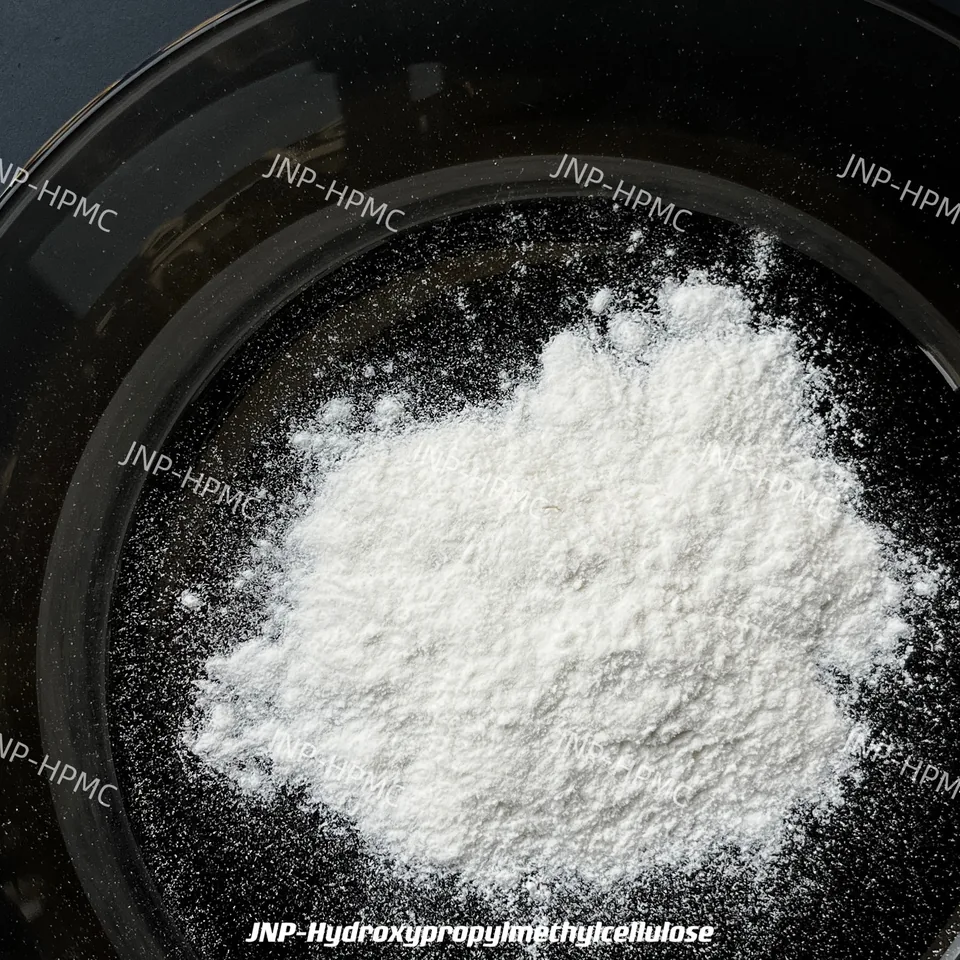
Product-name candidate for a granule or tablet-binding trial. Confirm pharmaceutical product identity, commercial grade and document scope before comparing it under the stated process; no JNP performance result is established here.
- Function to evaluate
- Granule binding and tablet integrity
- Candidate screening basis
- HPMC is a product-name candidate for evaluation against the stated Granule binding and tablet integrity conditions. This is a reason to compare, not a grade recommendation or performance conclusion.
- Conditions still to validate
- Is the issue granule strength, tablet integrity or processing consistency? Possible comparison points: granule size distribution and flow, compression behavior, tablet strength or friability, and disintegration or dissolution where relevant. Hold raw materials, addition order, equipment settings and test timing constant. Agree the method, unit, time point and pass/fail limit before testing.
- Evidence status
- GENERAL APPLICATION REFERENCE ONLY · JNP APPLICATION EVIDENCE NOT PUBLISHED
General application context only. This reference is not a JNP trial, customer case, grade recommendation, dosage or performance result.
HPC
Separate product-name candidate for binding review, not L-HPC. Confirm pharmaceutical product identity, commercial grade and document scope, then test in the customer formulation; do not transfer HPMC results to HPC.
- Function to evaluate
- Granule binding and tablet integrity
- Candidate screening basis
- HPC is a product-name candidate for evaluation against the stated Granule binding and tablet integrity conditions. This is a reason to compare, not a grade recommendation or performance conclusion.
- Conditions still to validate
- Is the issue granule strength, tablet integrity or processing consistency? Possible comparison points: granule size distribution and flow, compression behavior, tablet strength or friability, and disintegration or dissolution where relevant. Hold raw materials, addition order, equipment settings and test timing constant. Agree the method, unit, time point and pass/fail limit before testing.
- Evidence status
- GENERAL APPLICATION REFERENCE ONLY · JNP APPLICATION EVIDENCE NOT PUBLISHED
General application context only. This reference is not a JNP trial, customer case, grade recommendation, dosage or performance result.
EVIDENCE STATUS
Know what is established—and what still needs proof.
Each layer supports a different decision. Moving forward does not turn an application indication into a final suitability claim.
Use the application guide to frame the requirement
The public page helps describe the finished product, process, observed problem and target result. It is guidance, not a tested JNP formulation.
Review the application guide →Treat the product direction as a candidate
A product name or commercial grade shown here is a starting point for comparison. It is not a final recommendation or interchangeability claim.
Review candidate directions →Check documents against the specific request
TDS, SDS / MSDS, grade specifications, batch CoA and market documents support different decisions. Availability and release permission are checked separately.
Review document requirements →Confirm suitability in the customer’s system
Compare an identified sample with the current baseline under recorded conditions and agreed acceptance criteria before making a production decision.
Request a sample review →Confirm the commercial conditions for each order
Quantity, packaging, sample charge, timing, business-day calendar, trade terms and document scope are confirmed in the applicable written quotation or order confirmation.
Request a quotation →DOCUMENTS AT THEIR TRUE LEVEL
What can each document support?
Match the product, grade, batch, certificate and market records to the question you need answered. Availability and permission to share are checked separately.
Product-level information for the named chemistry. It does not define every commercial-grade parameter.Review guidesTDS — product name →SDS / MSDS — product name →
Defines the named candidate and the controlled comparison points used in the review.Review guidesSpecification — commercial grade →
Records results for the stated grade and batch, not the complete product family.Review guidesCoA — specific batch →
Checks the holder, site, covered product or brand and validity without extending the certificate beyond its wording.Review guidesCertificate scope review →
Connects the named product and intended use to the destination market as a separate review from technical sheets and certificates.Review guidesIntended-use and market review →
FROM QUESTION TO PURCHASE
One path keeps the technical and buying decisions aligned.
A candidate recommendation begins the evaluation; customer testing and commercial review complete the decision.
Define the actual requirement
Record the finished product, process, current issue, target result and destination market.
Narrow a testable candidate
Connect the brief to a product-name direction and, when supported, a commercial grade.
Confirm the evidence level
Match each product, grade, batch, certificate and market document to the decision it can support.
Test and align supply
Use customer testing before confirming specification, quantity, packaging, timing and commercial terms.
READY FOR THE NEXT STEP?
Take the next step with your current review.
Share the application, candidate and evidence questions, then choose a sample or quotation review. These requests do not confirm suitability or create an order.